
Topkapi Palace & Harem Fast-Track Tickets | Skip the Line
Visit Topkapi Palace and the Harem without waiting in ticket lines. Fast-track access, expert guides, and flexible cancellation options.
Tip: Prices and availability can change daily — check before it sells out.
Why this ticket is worth it
- Skip-the-line entrance (bypass standard ticket queues)
- Harem access included (one of the most requested sections)
- Licensed guide (or audio guide option depending on package)
- Multiple languages available
- Free cancellation options on many ticket types
Topkapi Palace photos

Quick overview
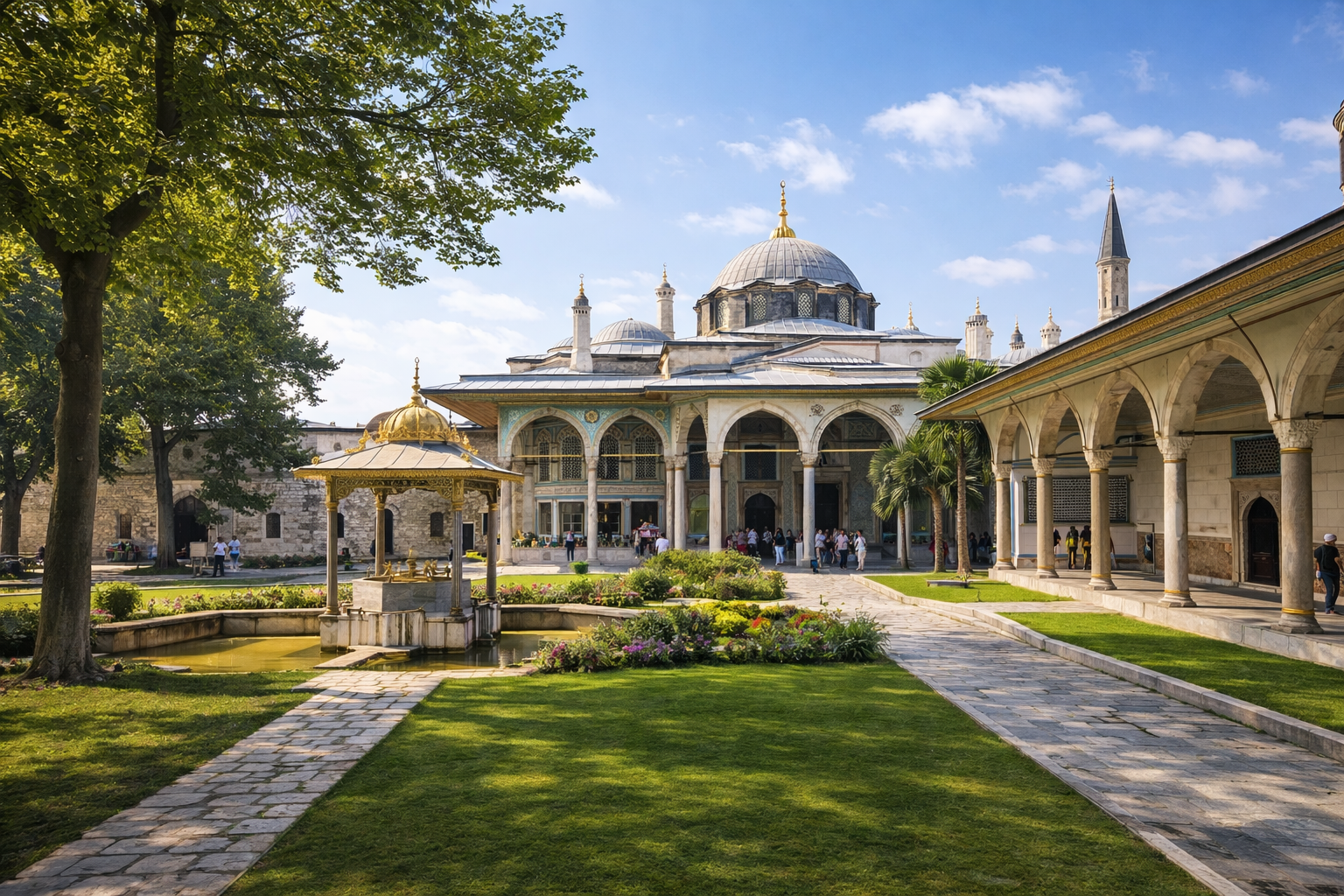
Topkapi Palace is one of Istanbul’s most visited landmarks and a must-see for first-time visitors. With fast-track entry, you avoid long ticket queues and explore the palace at a comfortable pace. If you want the most complete experience, choose an option that includes the famous Harem section.
What’s included
Included
- Fast-track entrance ticket
- Harem access (if selected / included)
- Licensed guide or audio guide (package dependent)
- Flexible time slots (subject to availability)
Not included (usually)
- Hotel pickup & drop-off (optional add-on)
- Food & drinks
- Gratuities
Best time to visit (practical tips)
- Arrive early (especially in peak season) to enjoy quieter courtyards.
- Allocate 2–3 hours if you want to see the main palace + Harem comfortably.
- Wear comfortable shoes — the complex is large with mixed surfaces.
- Bring a light jacket in spring/autumn — sea breeze can be strong.
Topkapi Palace history (for readers & SEO)
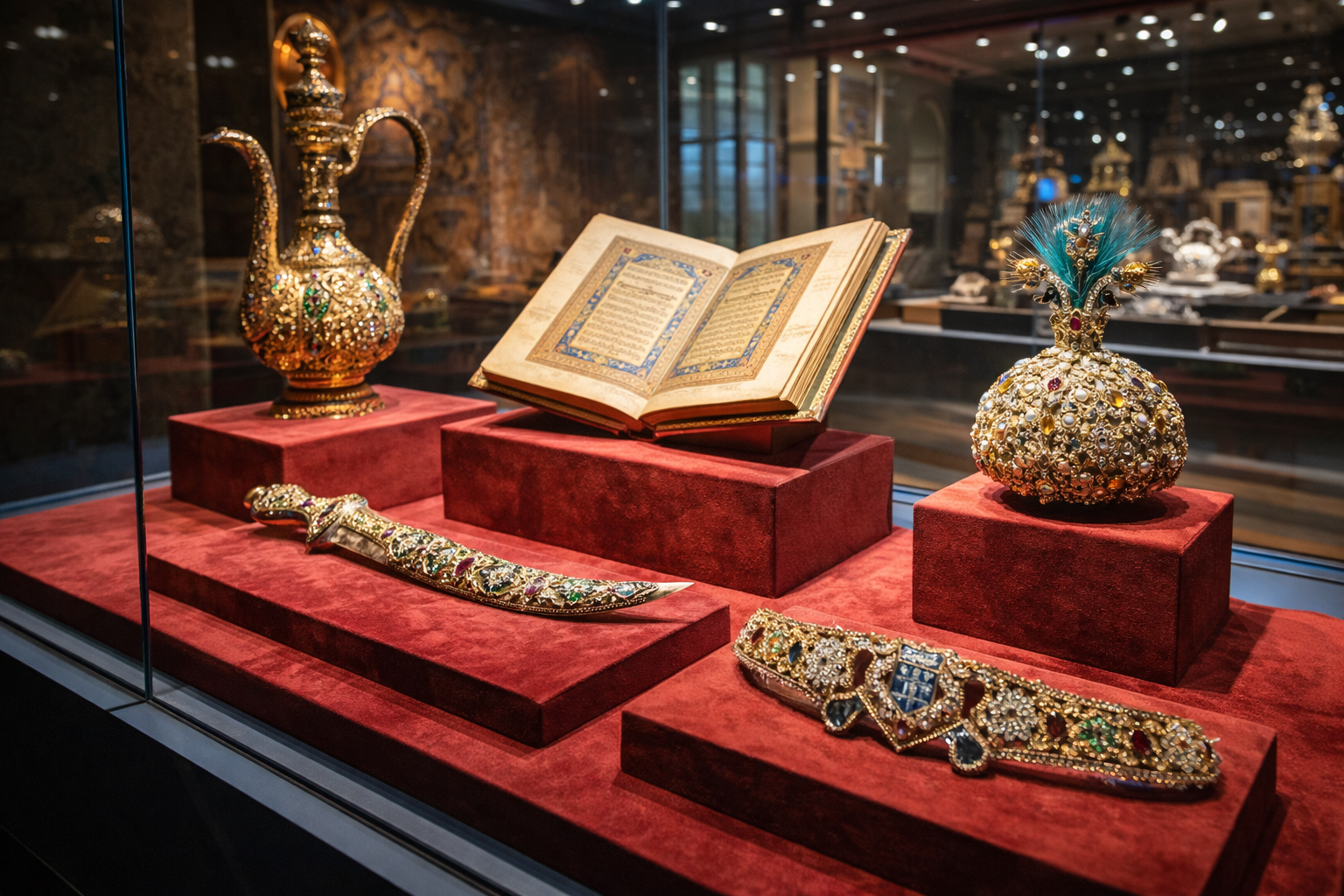
Topkapi Palace served as the administrative and residential center of the Ottoman Empire for centuries. Today, it offers a layered experience of imperial halls, courtyards, collections, and panoramic views of Istanbul.
Why the Harem is special
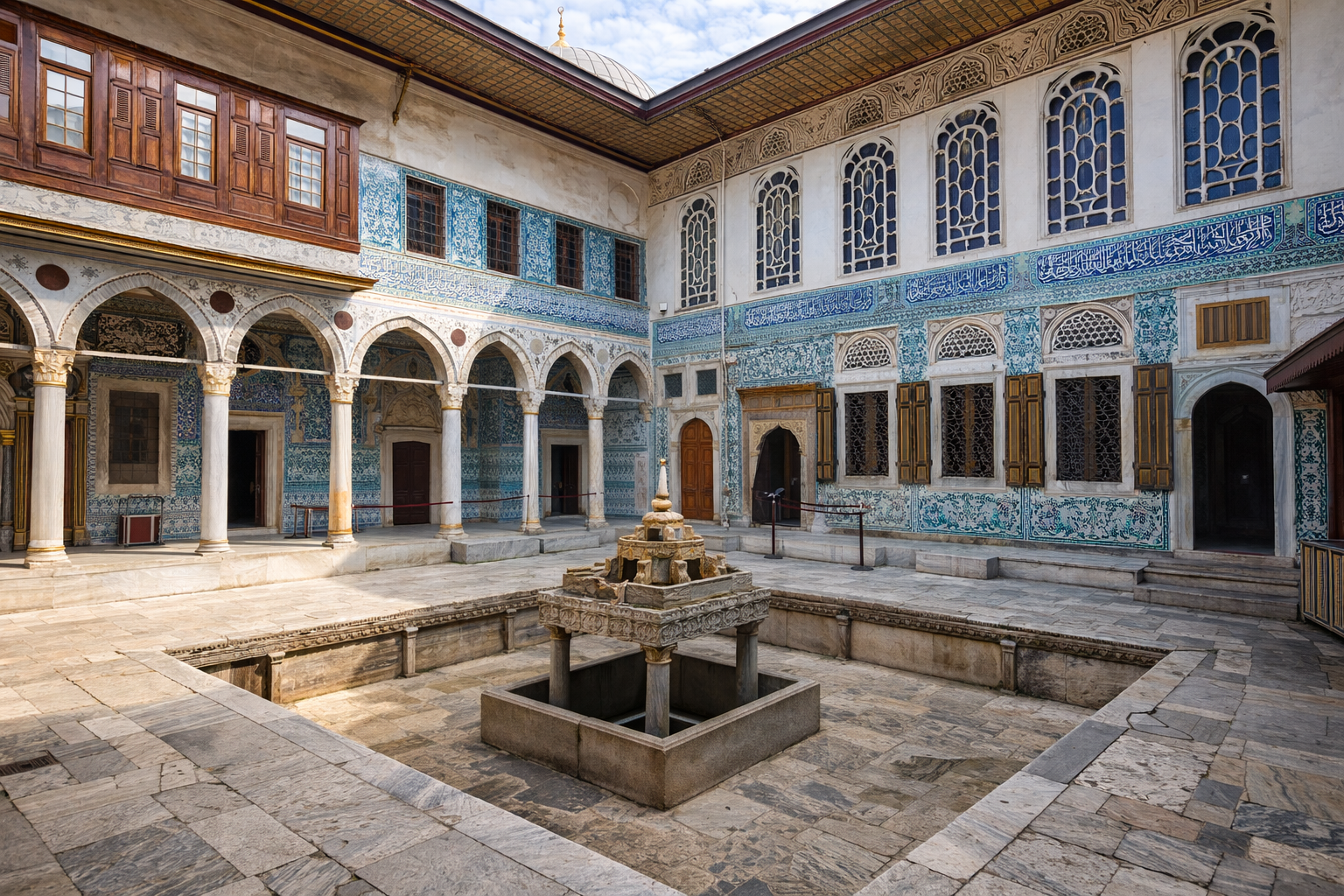
The Harem section reveals the private life of the palace and is one of the most visually striking areas, with ornate tiles, corridors, and rooms that reflect the palace’s inner world.
FAQ
Do I skip all ticket lines?
Fast-track tickets typically allow you to bypass standard ticket queues. Security checks still apply.
Is the Harem included?
Many options include Harem access, but some packages may offer it as an add-on. Check your selection details.
How long should I plan for the visit?
Plan 2–3 hours for the palace + Harem, depending on crowds and how deeply you explore.
Can I cancel the ticket?
Many ticket providers offer free cancellation up to 24 hours before your slot. Confirm the policy on the booking page.

If you want to visit Topkapi Palace and the Harem on the same day, arrive early in the morning. Lines grow quickly after 10:00, especially in peak season.
Ready to visit Topkapi Palace?
Check availability for your dates and lock in your slot before popular times sell out.
👉 Check Availability Before It Sells Out